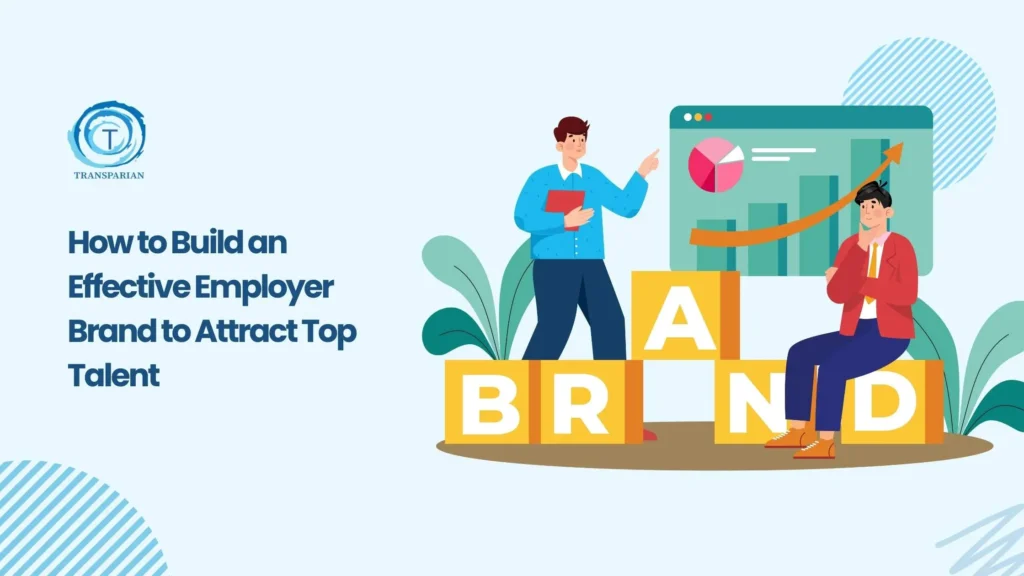
In today’s competitive talent market, salary alone is no longer enough to attract or retain top candidates. Candidates seek purpose, growth, transparency, and trust. As a result, employer branding has become a strategic business tool rather than just a marketing term.
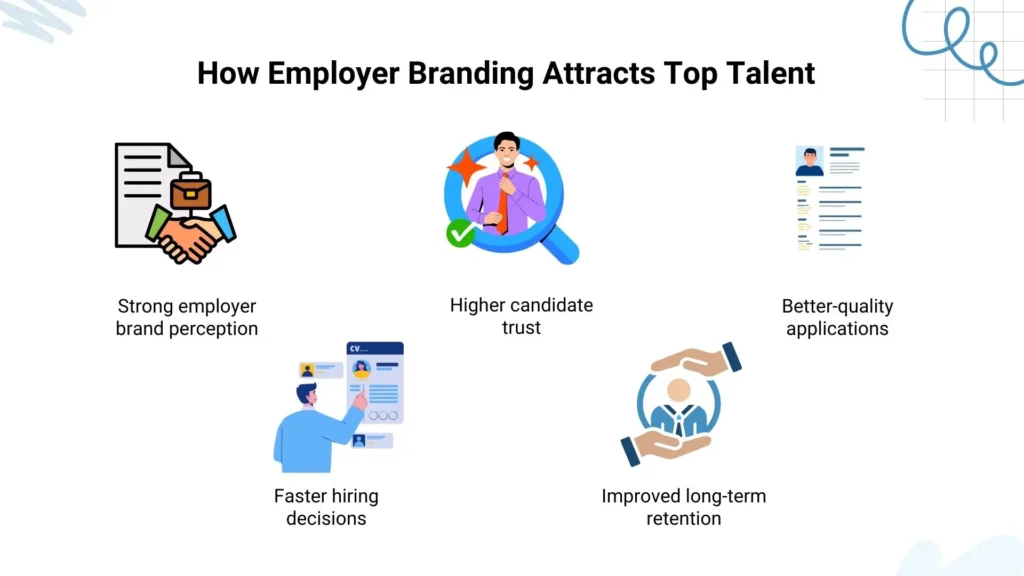
Organizations with a strong employer brand attract better-fit talent, reduce hiring costs, shorten time-to-hire, and improve retention. Regardless of whether companies use in-house teams, staffing services, job recruitment agencies, or specialized Hiring Agencies, a clear and authentic employer brand directly improves hiring outcomes.
This guide outlines how to build an effective employer brand by combining proven strategies with high-impact elements that candidates value today.
Understanding Employer Branding Beyond Recruitment Marketing
At its core, employer branding is how current employees, candidates, and even rejected applicants perceive your organization as a place to work. It includes:
- Workplace culture and values
- Leadership behavior and communication
- Growth and learning opportunities
- Work-life balance and flexibility
- Transparency and trust
Many companies view employer branding as a careers page update or a social media campaign. In reality, it reflects the daily employee experience and consistent operations throughout the talent lifecycle.
Candidates now evaluate reviews, leadership visibility, hiring communication, and employee perspectives before engaging with recruiters or job recruitment agencies.
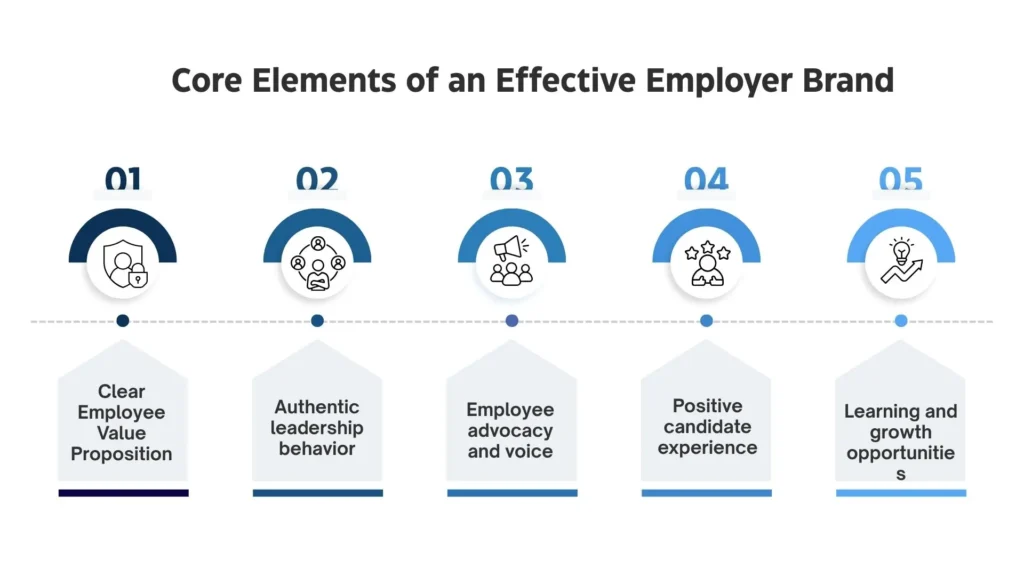
Defining a Clear and Authentic Employee Value Proposition
A strong Employee Value Proposition forms the foundation of employer branding. It answers a critical question candidates consider:
“Why should I work here instead of somewhere else?”
An effective EVP is more than a list of perks. It clearly communicates:
- What employees gain professionally and personally
- How the organization supports growth and well-being
- What makes the culture distinct and credible
High-performing employer brands align their EVP with actual experiences. If flexibility, inclusion, or learning are promised, candidates expect to see evidence in policies, leadership actions, and employee stories.
A clearly articulated EVP enables staffing services and Hiring Agencies to position roles more accurately, improving candidate quality and fit.
Building Employer Branding Through Employee Advocacy
Employee Advocacy is a powerful yet often underutilized aspect of employer branding. Candidates trust employees more than polished brand messaging.
When employees voluntarily share:
- Career journeys
- Day-to-day work experiences
- Learning milestones
- Team achievements
This creates authenticity that paid campaigns cannot replicate.
Effective employee advocacy requires:
- Psychological safety and trust
- Leadership support
- Clear internal communication
- Encouragement, not force
Organizations that empower employee voices often receive more inbound applications and see higher engagement across hiring platforms used by job recruitment agencies.
Creating a Positive Candidate Experience at Every Touchpoint
A positive candidate experience is essential, as it directly affects employer brand perception. Even rejected candidates influence public opinion through reviews, referrals, and social platforms.
Key elements candidates consistently value:
- Clear job descriptions with realistic expectations
- Transparent hiring timelines
- Respectful and timely communication
- Structured interviews with purpose
- Constructive feedback where possible
Many employer branding strategies fail not due to poor messaging, but because the candidate experience contradicts the brand promise. Delays, unclear roles, or rushed interviews quickly erode trust.
Organizations working with Hiring Agencies must ensure a consistent candidate experience across both internal and external hiring partners.
Leveraging Digital Channels to Showcase Culture, Not Just Jobs
Candidates increasingly discover employer brands through digital touchpoints before applying. This includes:
- Career pages
- LinkedIn presence
- Employee-generated content
- Leadership communication
Contextual storytelling is more effective than promotional content:
- How teams collaborate
- How decisions are made
- How growth is supported
- How challenges are handled
Digital employer branding should address real candidate concerns rather than highlight generic statements about culture or values.
Aligning Employer Branding With the Full Talent Lifecycle
A common gap in employer branding strategies is the lack of lifecycle focus. Employer branding should continue beyond the offer acceptance.
Strong brands remain consistent across:
- Onboarding experience
- Learning and development journeys
- Performance feedback culture
- Internal mobility opportunities
- Exit and alumni relationships
Candidates actively research how organizations treat employees after hiring. Alumni stories, retention rates, and internal growth opportunities influence employer brand credibility as much as recruitment messaging.
Measuring Employer Branding Impact With Real Metrics
Many organizations discuss employer branding without proper measurement. To improve outcomes, branding efforts must be data-driven.
Useful indicators include:
- Quality of applicants over time
- Offer acceptance rates
- Time-to-hire trends
- Candidate satisfaction feedback
- Employee referral participation
- Retention in first 12 months
Tracking these metrics refines EVP messaging, improves collaboration with staffing services, and identifies gaps in candidate experience.
Segmenting Employer Branding for Different Talent Groups
A one-size-fits-all approach to employer branding is no longer effective. Different talent segments value different things:
- Early-career professionals prioritize learning and mentorship
- Experienced professionals seek autonomy and leadership clarity
- Specialized roles focus on tools, impact, and decision authority
Segmented employer branding enables organizations and job recruitment agencies to communicate relevance rather than relying on generic appeal.
This does not require creating multiple brands. Instead, adapt messaging, examples, and stories to resonate with distinct candidate groups.
Leadership’s Role in Strengthening Employer Brand Trust
Employer branding credibility depends heavily on leadership alignment. Candidates pay attention to:
- How leaders communicate publicly
- Whether actions match stated values
- How organizations respond during challenges
When leadership behavior contradicts branding claims, trust erodes quickly. Effective employer branding requires leaders to serve as cultural role models, not just endorse HR initiatives.
Connecting Employer Branding With Recruitment Partners
Organizations working with Hiring Agencies and staffing services gain stronger results when employer branding is clearly documented and shared.
Recruitment partners perform better when they understand:
- Cultural expectations
- EVP priorities
- Candidate experience standards
- Employer brand tone and values
This alignment ensures consistency across all candidate touchpoints and prevents mismatched expectations that could harm brand reputation.
Addressing Common Candidate Questions Through Employer Branding
An effective employer brand answers unspoken candidate questions such as:
- What does growth look like here?
- How transparent is leadership?
- How are people treated during change?
- Is feedback encouraged or avoided?
- What happens when things don’t go as planned?
Employer branding that addresses these realities builds trust more quickly than aspirational messaging.
Future-Ready Employer Branding Practices
As work models evolve, employer branding must reflect:
- Hybrid and remote collaboration norms
- Well-being and burnout prevention
- Skill-based growth opportunities
- Ethical and inclusive decision-making
Organizations that continuously adapt their employer branding remain relevant to changing candidate expectations and workforce dynamics.
By combining strong employer branding, a clear Employee Value Proposition, authentic Employee Advocacy, and a consistently positive candidate experience, organizations can attract top talent more effectively, whether hiring directly or through job recruitment agencies, staffing services, or trusted Hiring Agencies.
FAQ’s
A strong employer brand communicates culture, values, and growth opportunities clearly, helping candidates decide whether the organization aligns with their expectations and career goals.
An Employee Value Proposition defines what employees gain in return for their skills and contribution, including growth, culture, purpose, and work experience.
Authentic employer brands are built by aligning internal culture with external messaging, encouraging employee voices, and delivering a consistent experience throughout the hiring process.
Candidate experience shapes how applicants perceive the organization. Transparent communication, respectful interviews, and timely feedback strengthen employer brand reputation.
Employer branding should be clearly communicated to recruitment partners so messaging, candidate screening, and experience remain consistent across all hiring touchpoints.
Yes. Smaller organizations can build strong employer brands by highlighting close-knit culture, learning opportunities, leadership accessibility, and meaningful work.