
The future of hiring is undergoing a seismic shift. Traditional recruitment methods are being replaced by agile, tech-enabled, and outcome-driven models. At the heart of this transformation lies the RPO business model Recruitment Process Outsourcing which is rapidly becoming the preferred choice for organizations seeking speed, scalability, and strategic alignment in talent acquisition.
From global enterprises to fast-growing startups, companies are increasingly partnering with recruitment agencies, staffing services, and specialized Tech Recruitment Agencies to streamline hiring operations. But why this shift? What makes the RPO business model so compelling in today’s volatile talent landscape?
Let’s explore the drivers behind this evolution, the trends shaping it, and the strategic gaps that most discussions overlook.
RPO: From Cost Center to Strategic Talent Engine
Historically, outsourcing recruitment was seen as a cost-saving tactic. Today, it’s a strategic lever. The RPO business model offers end-to-end hiring support from workforce planning and employer branding to sourcing, screening, and onboarding. It’s not just about filling roles; it’s about building future-ready teams.
Companies are choosing project-based RPO for short-term hiring spikes, seasonal demands, or expansion into new markets. Others opt for enterprise RPO to manage large-scale, ongoing recruitment needs. For SME recruitment outsourcing, RPO provides access to expert recruiters, tech platforms, and candidate pipelines without the overhead of building an internal team.

Why RPO Is Gaining Ground
Several factors are accelerating the adoption of RPO:
- Scalable hiring solutions: RPO adapts to fluctuating hiring volumes, making it ideal for businesses navigating growth or restructuring.
- Data-driven recruitment: Advanced analytics help optimize sourcing channels, reduce time-to-hire, and improve quality-of-hire.
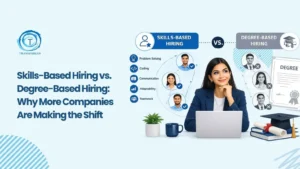
- Skills-based hiring: RPO providers use assessments and AI tools to prioritize competencies over credentials.
- Diversity hiring strategies: Inclusive sourcing practices and bias-free screening are embedded into modern RPO workflows.
- Global hiring trends: As companies expand across borders, RPO partners offer localized expertise and compliance support for the international recruitment process.
The Role of Technology in RPO Evolution
Technology is the backbone of modern RPO. AI-powered tools automate resume parsing, chatbot interviews, and candidate engagement. Predictive analytics forecast hiring needs and talent availability. Cloud-based platforms enable collaboration between internal HR teams and external Hiring Agencies.
For example, IT recruiting companies in India are leveraging AI to match tech talent with niche roles in cybersecurity, DevOps, and data science. These tools not only reduce manual effort but also enhance candidate experience, a key differentiator in competitive markets.
Strategic Gaps Most Discussions Miss
While most narratives around RPO focus on speed, cost, and tech, they often miss deeper strategic dimensions. Here are the overlooked areas that deserve attention:

1. Change Management in RPO Adoption
Transitioning to an RPO model isn’t just a process shift, it’s a cultural one. Internal teams may resist external involvement, fearing loss of control or relevance. Successful RPO adoption requires clear communication, stakeholder buy-in, and phased implementation. CHROs must lead this change with empathy and strategic clarity.
2. Leadership Alignment and Strategic Buy-In
RPO works best when it’s aligned with business goals. CXOs must see recruitment not as a transactional function but as a growth enabler. Embedding RPO into workforce planning, succession strategy, and digital transformation ensures long-term impact.
3. Employer Branding Through RPO
Your RPO partner is an extension of your brand. Every candidate interaction from job ads to interviews shapes perception. Companies must co-create messaging, tone, and experience guidelines with their RPO providers to ensure brand consistency.
4. RPO for Niche and Senior Roles
Contrary to popular belief, RPO isn’t just for volume hiring. Specialized job recruitment agencies and recruitment companies offer executive search capabilities, tapping passive talent pools and leveraging industry networks. This is especially valuable for leadership, compliance, and tech roles.
5. Impact on Internal HR Teams
RPO doesn’t replace HR, it elevates it. By outsourcing operational tasks, internal teams can focus on strategic initiatives like employee engagement, learning & development, and organizational design. This redefinition of roles must be intentional and supported by upskilling.
6. RPO in ESG and Sustainability Hiring
As ESG (Environmental, Social, Governance) becomes central to corporate strategy, hiring practices must reflect ethical sourcing, green job creation, and social impact. RPO partners can help embed these values into recruitment campaigns and candidate evaluation.
7. Beyond Cost and Speed: Strategic KPIs
Traditional metrics like cost-per-hire and time-to-fill are no longer enough. Companies must track retention, cultural fit, candidate satisfaction, and long-term performance. These insights help refine hiring strategies and demonstrate RPO’s strategic value.
RPO Across Business Sizes and Sectors
Whether you’re a multinational or a mid-sized firm, RPO offers tailored solutions:
- Enterprise-level organizations benefit from global reach, compliance expertise, and tech integration.
- Startups and SMEs gain access to scalable talent pipelines, employer branding support, and recruitment tech without heavy investment.
- IT and tech firms rely on IT recruiting companies in India and Tech Recruitment Agencies to source specialized talent in competitive domains.
This flexibility makes RPO a fit for diverse hiring needs from campus recruitment and gig hiring to leadership search and cross-border expansion.
The Rise of Hybrid and Project-Based RPO
Not every company needs full-scale outsourcing. Project-based RPO is ideal for:
- Launching a new product or entering a new market
- Scaling up for seasonal demand or contract hiring
- Managing recruitment for mergers, acquisitions, or restructuring
Hybrid models allow companies to retain control over strategic roles while outsourcing volume or niche hiring. This modularity is key to future-proofing recruitment.
RPO and the International Talent Landscape
With remote work and global mobility on the rise, companies are hiring across borders. The international recruitment process involves navigating visa laws, cultural nuances, and local labor regulations. RPO partners bring regional expertise, ensuring compliance and candidate alignment.
For example, recruitment agencies in India are helping US and UK firms hire tech talent remotely, while ensuring adherence to GDPR, DPDPA, and other data privacy laws. This global-local synergy is essential in today’s distributed workforce.
RPO and the Candidate Experience Revolution
Candidate experience is no longer a soft metric, it’s a competitive advantage. RPO providers use automation, personalization, and feedback loops to create seamless journeys. From mobile-friendly applications to real-time updates, every touchpoint matters.

This is especially critical for skills-based hiring, where candidates undergo assessments and simulations. A smooth, respectful process enhances brand perception and increases offer acceptance rates.
RPO as a Driver of Workforce Agility
In uncertain times, agility is everything. RPO enables companies to pivot quickly, whether it’s ramping up hiring for a new vertical or downsizing without reputational damage. By partnering with recruitment companies and Hiring Agencies, businesses gain access to ready talent pools, market insights, and flexible engagement models.
This agility is vital for sectors like tech, healthcare, and logistics, where demand fluctuates rapidly. It also supports diversity hiring strategies, allowing companies to meet DEI goals without compromising speed or quality.
The Future of Hiring Is Collaborative, Data-Driven, and Human-Centric
As we look ahead, the future of hiring will be shaped by collaboration between internal HR teams, external partners, and intelligent systems. The goal isn’t just to fill roles, it’s to build resilient, inclusive, and high-performing organizations.
Companies that embrace the RPO business model will be better equipped to navigate global hiring trends, attract top talent, and drive business growth. Whether through SME recruitment outsourcing, project-based RPO, or enterprise solutions, the path forward is clear: strategic, scalable, and human-first.
FAQ’s
The RPO business model (Recruitment Process Outsourcing) allows companies to partner with external experts who manage some or all hiring processes. Instead of relying only on internal HR, businesses collaborate with recruitment agencies to handle sourcing, screening, interviewing, and onboarding.
Companies are shifting to RPO because it offers scalable hiring solutions, faster turnaround, and data-driven recruitment. It reduces overhead costs while improving candidate quality, making it a strategic alternative to traditional staffing services.
Yes, SME recruitment outsourcing is one of the fastest-growing RPO trends. Small and mid-sized companies gain access to recruitment expertise, tools, and candidate pipelines without building large HR teams.
RPO firms manage the international recruitment process by navigating visa laws, labor regulations, and cultural nuances. They ensure compliance with global standards like GDPR, DPDPA, and local employment laws.
Tech, healthcare, logistics, and finance are top adopters. IT recruiting companies in India and Tech Recruitment Agencies specialize in sourcing niche talent for roles in cybersecurity, AI, and software engineering.
Absolutely. RPO partners have local expertise in compliance and regulations, making them valuable for global hiring trends and cross-border recruitment. They simplify the international recruitment process while ensuring cultural alignment.